Working With Abstract Textured Paint: A Practical Guide to Process and Integration
Abstract textured paint occupies a specific and often misunderstood place in the creative and professional toolkit. It is not merely a decorative finish, nor is it a one-size-fits-all material. Rather, it is a versatile medium that can reshape how you approach surfaces, prototypes, backgrounds, and even digital assets. Understanding its properties, preparation requirements, and integration points can save time, reduce waste, and elevate the final outcome of projects ranging from interior design to product photography, set building, and multimedia content creation.
What Abstract Textured Paint Really Does
At its core, abstract textured paint adds physical depth and visual complexity to a surface. Unlike flat paint, which sits evenly on a substrate, textured paint contains additives such as sand, fiber, granules, or synthetic compounds that create raised patterns, ridges, or a rough finish. The "abstract" aspect refers to the intentional lack of a repeating or predictable pattern. Each application yields a unique surface, making it ideal for one-of-a-kind work where uniformity would feel sterile or mechanical.
In a practical sense, abstract textured paint functions as both a foundation and a finishing layer. You can apply it to hide minor surface imperfections, to create a tactile experience, or to establish a base that other materials—like metallic leaf, glaze, or washes—can interact with. It also plays a role in acoustics and light diffusion, which matters in studio environments, offices, and creative workspaces where sound and glare affect concentration and workflow.
Where Abstract Textured Paint Fits in a Workflow
Integrating abstract textured paint into a process requires thinking about timing. Unlike standard paint, which you can apply almost anywhere in a project timeline, textured paint demands attention to drying times, substrate preparation, and compatibility with subsequent layers.
- Before a project: Use textured paint as a preparatory layer on walls, boards, or canvases. It creates grip for additional coatings and adds structural interest before any other design elements go in. For photographers and videographers, applying textured paint to a backing surface before a shoot ensures the final asset has depth and character without relying on post-production filters.
- During a project: Apply it mid-process to break up flat areas or to correct surface issues that emerge after initial layers have dried. This is common in restoration work, prototyping, and mixed-media projects where the piece evolves organically.
- After a project: Use textured paint as an overlay or highlight layer to add final tactile accents. In product design, a controlled application of textured paint can create grip zones, visual anchors, or brand-specific finishes that distinguish a product from competitors.
Interactions With Tools, Materials, and Decisions
Abstract textured paint does not exist in a vacuum. Its behavior changes depending on what you combine it with, and your choices before and during application directly affect the outcome.
Substrate Compatibility
Wood, drywall, canvas, metal, plastic, and previously painted surfaces each react differently to textured paint. Porous substrates absorb moisture unevenly, which can affect the final texture profile. Non-porous surfaces require a primer or bonding agent to prevent peeling. Before committing to a large area, test a small patch with your exact substrate and primer combination. This simple step eliminates the need for rework later.
Application Tools
Rollers, brushes, palette knives, trowels, sponges, and spray systems all produce distinct textures. The choice of tool determines whether the finish is subtle or aggressive, uniform or chaotic. For abstract results, trowels and palette knives offer the most control over the direction and depth of marks. Rollers with a thick nap can produce consistent stippling, which works well when you need a repeatable texture across a large surface. Spray systems, while fast, can clog if the paint contains large granules, so always check manufacturer guidelines before loading equipment.
Layering and Drying
Abstract textured paint dries slower than flat paint because of its thickness. Plan for extended drying times between coats, especially in humid or cold environments. Rushing leads to cracking, uneven adhesion, or loss of the abstract quality as you inadvertently flatten peaks while applying subsequent layers. A dehumidifier or gentle airflow can help, but avoid direct heat, which causes the surface to skin over while remaining soft underneath.
Practical Implementation Tips for Real Work
Whether you are a designer, a content creator, a small business owner, or a hobbyist, the same principles apply: prepare, test, and document. Below are concrete strategies that fit into actual routines.
- Batch your prep work: If you plan to use textured paint on multiple pieces, prepare all substrates at once. Sand, prime, and mark each piece before mixing the paint. This reduces cleanup time and ensures consistency across the batch.
- Mix thoroughly but gently: Over-mixing can break down the texturing agents, especially if they are fibrous or granular. Stir until the additive is evenly distributed, but do not use a mechanical mixer at high speed. Hand stirring with a paddle works best.
- Use a wet edge technique: Because textured paint dries unevenly, you must maintain a wet edge to avoid lap marks. Work in continuous passes, and do not stop in the middle of a surface. If working alone, break large areas into manageable sections that you can complete in one session.
- Document your ratios and tools: Keep a simple log of the paint brand, additive type, mixing ratio, application tool, drying time, and room conditions for each project. This record becomes invaluable when you need to replicate a finish months later.
Quality Control and Long-Term Performance
Textured surfaces demand a different approach to quality control than smooth finishes. Visual inspection alone is insufficient because shadows and lighting can hide flaws. Run your hand over the dried surface to feel for loose particles, sharp edges, or areas where the texture has collapsed. Use a raking light—a light source placed at a low angle—to reveal inconsistencies in the abstract pattern. This technique is standard in set design and photography studios, and it applies equally to furniture, signage, and gallery pieces.
Long-term durability depends on the environment. In high-traffic areas or surfaces that undergo frequent cleaning, a clear sealer is necessary. Choose a sealer that matches the finish you want: matte preserves the natural look, while satin or gloss adds sheen and improves stain resistance. Test the sealer on a sample first because some sealers can flatten the texture or cause the paint to yellow over time.
Organizing Your Workflow Around Textured Paint
Integrating abstract textured paint smoothly into a routine requires thinking about space, timing, and waste management. The material is thicker than standard paint, so cleanup is more involved. Keep dedicated tools for textured work—do not use your fine brushes for both textured and flat paint, because granules will contaminate the smooth work later. A separate set of rollers, knives, and containers prevents cross-contamination and extends the life of your equipment.
For entrepreneurs and small business owners producing consistent product lines, consider batching all textured work on the same day. This minimizes setup and cleanup overhead and ensures that texture profiles remain consistent across a production run. If you are a freelancer or educator working with students, pre-mix the paint and portion it into sealed containers. This eliminates variability caused by different mixing techniques and lets everyone focus on application and pattern development.
When to Choose Abstract Textured Paint Over Alternatives
Not every surface needs texture. The decision to use abstract textured paint should come from a clear need: hiding an imperfect substrate, creating a non-slip surface, adding visual interest to a flat digital background, or building a tactile element that invites interaction. If the goal is simply to change color, flat paint is faster, cheaper, and easier to maintain. If the goal is to add physical depth without a repeating pattern, textured paint is the right tool. For repeatable patterns, consider stencils or embossed wallpaper instead.
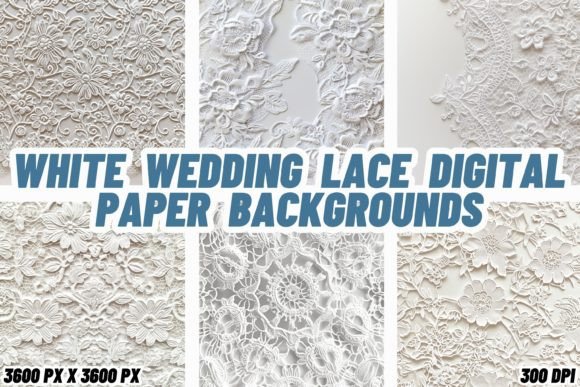
In digital workflows, abstract textured paint can be photographed or scanned to create high-resolution texture maps for 3D models, virtual backgrounds, and UI elements. This bridges physical and digital creation, giving designers a source material that feels organic and unique. Scanning a physical texture and using it as an overlay in design software adds authenticity that procedural filters often lack.
Efficiency and Consistency Across Projects
Efficiency with abstract textured paint comes from standardizing your process without sacrificing the unique quality of each application. Create a checklist that covers substrate preparation, mixing, application technique, drying protocol, and sealing. Use the same checklist for every project, and adjust only the variables that affect the final look—tool choice, additive type, and application pressure. This approach ensures that your work remains reproducible when needed and creatively flexible when desired.
Consistency does not mean boring. It means that the baseline quality—adhesion, durability, cleanliness—stays high, while the abstract visual results can vary freely. Professionals and serious hobbyists alike benefit from separating process consistency from aesthetic variability. You can keep the process tight and let the creativity roam within those boundaries.
Long-Term Use and Maintenance
Abstract textured paint holds up well over time if applied correctly, but maintenance differs from smooth surfaces. Dust and dirt collect in the crevices more readily. A soft brush attachment on a vacuum or a microfiber duster works better than a wet cloth, which can soften the texture over time. For areas that need periodic cleaning, a spray-on cleaner followed by gentle blotting preserves the surface longer than scrubbing.
If a section becomes damaged, repair is straightforward but requires matching the texture. Keep a small sample of your original mix—both the paint and the additive—in a sealed container. For small touch-ups, apply the repair material with a palette knife and blend the edges while the paint is still wet. For larger areas, consider reapplying a full coat over the entire surface to maintain uniform appearance.
Understanding these long-term behaviors helps you plan projects that not only look good initially but also age well in real-world conditions. Whether you are producing art, designing a workspace, or creating content for clients, the durability of your finishes reflects your professionalism and attention to detail.