Colorful Alcohol Ink Floral Illustration: Bringing Bold Blooms into Everyday Life
If you have scrolled through any creative platform lately, you have likely seen them—those impossibly vivid flowers that seem to glow from the inside out. They are not watercolors, not acrylics, and definitely not your grandmother's dried-pressed botanicals. Colorful alcohol ink floral illustration is a medium that has quietly taken over studios, living rooms, and even commercial spaces. It is fluid, unpredictable, and deeply satisfying to create. But beyond the beauty, this art form has found its way into real-world applications that might surprise you.
What Makes Alcohol Ink Floral Art Stand Out
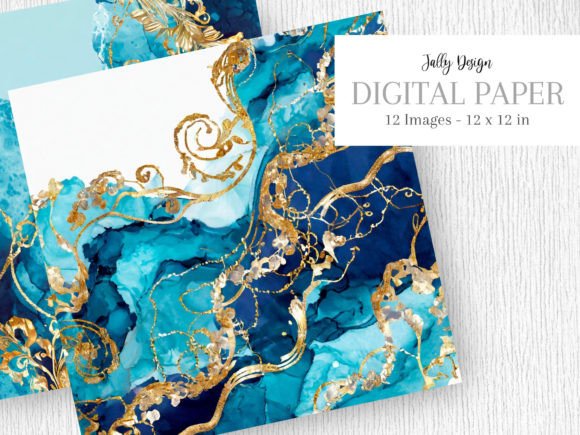
Before we jump into use cases, it helps to understand why these illustrations look so distinct. Alcohol ink is a fast-drying, dye-based medium that reacts with isopropyl alcohol to create flowing, translucent layers. When applied to a non-porous surface like Yupo paper, ceramic tile, or glossy cardstock, the colors bloom in ways that feel almost alive. Floral motifs are particularly suited to this medium because the natural movement of the ink mimics organic petal shapes, curling vines, and soft gradients. You do not paint every petal; you guide the ink and let it do the rest.
This element of controlled chaos makes colorful alcohol ink floral illustration both accessible to beginners and endlessly challenging for seasoned artists. The results are always one-of-a-kind.
Real-World Scenarios Where These Illustrations Shine
The beauty of alcohol ink florals is that they are not confined to a single context. People are using them in ways that range from deeply personal to broadly commercial. Here are some of the most compelling scenarios.
Home Decor That Does Not Blend In
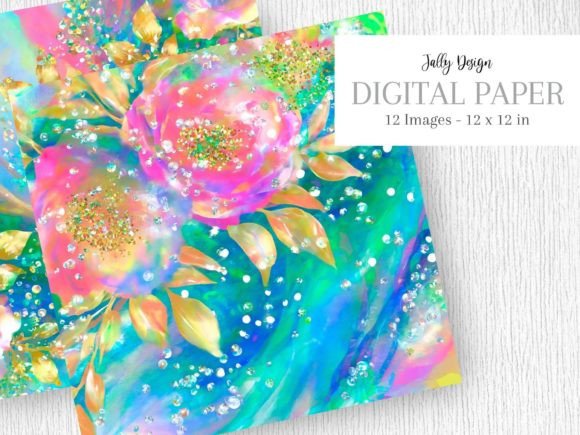
Standard art prints are everywhere. You can buy a mass-produced sunflower poster at any big-box store, but it will not stop guests mid-conversation. Colorful alcohol ink floral illustration brings something different into a home. The intensity of the colors—magenta bleeding into gold, cobalt dissolving into lavender—creates a focal point that changes with the light. I have seen these pieces hung above sofas, in narrow hallways, and even in bathrooms where the humidity adds a subtle gloss over time.
One friend of mine commissioned a series of alcohol ink peonies for her dining room. She said the reaction from dinner guests was immediate. People did not just glance at them; they walked up to touch the surface. That is the kind of engagement you cannot get from a generic landscape print. If you want a space that feels curated rather than decorated, this medium delivers.
Personal Branding and Content Creation
Content creators are always hunting for visual assets that feel exclusive. A laptop background, a podcast cover, or an Instagram story template all benefit from imagery that does not look stock. Colorful alcohol ink floral illustration works exceptionally well here because the high contrast and saturated hues pop on screens. I have noticed more and more wellness coaches and lifestyle bloggers using these florals as signature visuals. The organic, flowing lines communicate creativity and calm simultaneously—two qualities that many personal brands want to project.
Even small businesses are getting in on this. A local candle maker I follow uses alcohol ink floral patterns on her product labels. She scans the original illustration and applies it to a small sticker. The result looks handcrafted without requiring a custom design for every batch. That is the kind of practical application that turns an art form into a business asset.
Event Stationery and Wedding Details
Weddings are moving away from cookie-cutter designs. Couples want invitations, place cards, and thank-you notes that feel personal. Colorful alcohol ink floral illustration fits this trend perfectly because each piece can be made individually or reproduced from a single original. The fluid nature of the ink means every invitation suite has slight variations, which adds a handcrafted feel that luxury couples are willing to pay for.
I have also seen these illustrations used as large welcome signs at events. A 16x20 alcohol ink floral piece mounted on a foam board costs a fraction of hiring a calligrapher for a full layout, yet it carries just as much visual weight. For brides who want something colorful but not stereotypically romantic, this is an excellent middle ground.
Different Users, Different Benefits
Not everyone approaches colorful alcohol ink floral illustration from the same angle. Here is how various audiences tend to interact with it.
- Hobbyists and hobby crafters often gravitate toward alcohol ink because the setup cost is low. A few bottles of ink, a bottle of 91% isopropyl alcohol, and a sheet of Yupo paper is all you need for an afternoon of exploration. The floral subject matter is forgiving. If a petal spreads too far, it usually looks intentional.
- Professional artists use the medium differently. They might combine alcohol ink with fine liners or gold leaf to add structure to the fluid base. For them, the floral illustration becomes a foundation for mixed-media work. This opens doors to gallery shows and higher price points.
- Therapists and wellness practitioners have also taken note. The process of dropping ink onto paper and watching it bloom is meditative. Art therapists sometimes use alcohol ink exercises with clients who struggle with perfectionism. The medium literally cannot be controlled completely, which encourages letting go. Floral subjects are less intimidating than abstract shapes for people new to this practice.
- Gift givers are another major audience. A framed alcohol ink floral illustration feels substantial. It is not a generic candle or a gift card. Because each piece is unique, the recipient knows effort went into the selection. Birthday gifts, housewarming presents, and even sympathy gestures have all been covered with these florals.
Practical Considerations Before Diving In
As much as I love the medium, I would be doing you a disservice if I pretended there were no limitations. Colorful alcohol ink floral illustration is not suitable for every project or every environment.
Light sensitivity is the biggest concern. Alcohol inks are dye-based, which means they fade faster than pigment-based paints if exposed to direct sunlight. If you are creating art for a room with large windows, you will want UV-protective framing or a spray varnish specifically designed for alcohol ink. Some artists also use archival-grade inks that hold up better over time, but even those are not as lightfast as acrylics.
Surface preparation matters more than you might expect. Non-porous surfaces are essential. If you try to paint on standard watercolor paper, the ink will soak in and turn muddy. Yupo paper, ceramic tiles, glass, and glossy photo paper are all solid choices. I have found that beginners often get frustrated because they try regular paper and blame the ink.
Health and ventilation are less discussed but critically important. Alcohol inks release fumes. Working in a small, unventilated room for hours is not advisable. A simple crack of the window or a small fan makes a huge difference. If you plan to sell pieces or produce them regularly, consider a respirator mask rated for organic vapors.
Reproducibility is another factor. Because each piece is organic, you cannot perfectly duplicate a design. That is part of the charm, but it also means that if you need twenty identical pieces for a corporate event, you will either need to scan and print or accept variation. Most clients actually prefer the variation once they understand the process.
Strengths That Keep People Coming Back
Despite the limitations, the strengths of colorful alcohol ink floral illustration are what sustain its popularity. The speed of the medium is remarkable. A small floral piece can be completed in under an hour, including drying time. That makes it ideal for live demonstrations, crafting parties, or last-minute gifts.
The layering potential is another major draw. You can build depth by applying ink, letting it dry, and then dropping more ink on top. Each layer interacts differently depending on the alcohol concentration. This allows for effects that range from delicate watercolor-like washes to thick, saturated blooms.
And then there is the emotional component. Everyone who has tried this medium, including myself, has experienced the quiet satisfaction of watching ink spread across paper. You are not just painting a flower; you are collaborating with physics. The alcohol carries the pigment, and you decide where to let it go. That back-and-forth feels less like work and more like play.
Where to Go from Here
If you are intrigued by colorful alcohol ink floral illustration, you do not need to be an artist to try it. Many craft stores sell starter kits that include a few ink colors, a bottle of blending solution, and a small pad of Yupo. From there, it is mostly experimentation. Watch how the ink reacts when you tilt the paper. Try blowing on it through a straw for finer lines. Add a drop of metallic gold ink for accents.
For those who prefer to buy rather than create, platforms like Etsy and local art fairs are full of artists specializing in this medium. Look for sellers who list the surface type and whether the piece has been sealed. A well-made alcohol ink floral illustration can last for decades with proper care.
The bottom line is this: whether you are decorating a room, building a brand, or just looking for a new way to express yourself, colorful alcohol ink floral illustration offers a blend of accessibility and uniqueness that is hard to match. It is not a trend that will vanish next season. The medium is too versatile, and the results are too satisfying. If you have not yet seen a flower bloom under alcohol ink, you are missing out on something genuinely special.