Stained Glass Mushroom Sublimation: A Practical Guide to This Distinctive Craft Technique
If you have been browsing sublimation craft communities or looking for unique home décor projects, you have likely encountered the term Stained Glass Mushroom Sublimation. This technique sits at the intersection of two creative worlds: the luminous, jewel-toned look of stained glass and the precision, repeatability of dye-sublimation printing. But what exactly sets it apart, and how does it measure up against other crafting approaches? This article breaks down what Stained Glass Mushroom Sublimation involves, explores its strengths and limitations, and helps you decide whether it fits your project, style, or budget.
What Is Stained Glass Mushroom Sublimation?
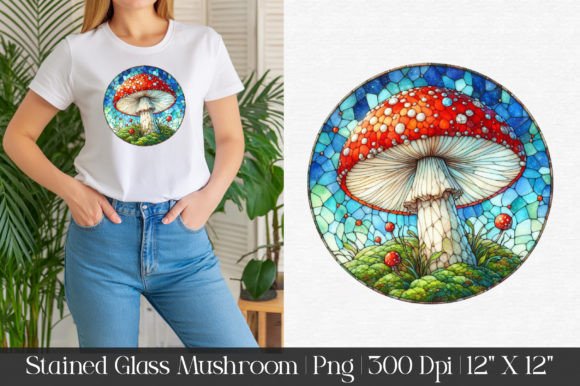
At its core, Stained Glass Mushroom Sublimation refers to the process of transferring a mushroom-themed design onto a specially coated substrate that mimics the translucency and color richness of traditional stained glass. The design is printed with sublimation inks onto transfer paper, then heat-pressed onto a rigid or flexible blank that has a clear, glossy, or frosted finish. The result: a durable, fade-resistant piece that glows when backlit, much like real stained glass.
What makes it distinct is not just the subject matter—mushrooms are a popular motif in whimsical, woodland, or retro aesthetics—but the way sublimation handles gradients and fine details. Unlike traditional glass painting or mosaic work, sublimation can reproduce photorealistic gills, spore patterns, and subtle color shifts without added weight or fragility. The “stained glass” effect comes from the interplay between the translucent substrate and the ink, not from separate pieces of colored glass.
Comparing the Approach: Sublimation vs. Traditional Stained Glass
To appreciate where Stained Glass Mushroom Sublimation fits, it helps to compare it with the classic method.
Traditional Stained Glass
- Material: Individual pieces of colored glass cut, shaped, and joined with lead or copper foil.
- Skill curve: Steep; requires glass cutting, grinding, soldering, and design planning.
- Durability: Very high if properly constructed, but glass is breakable.
- Time: Hours to days for a single panel.
- Customization: Limited to the glass colors available; shading is achieved by layering or painting.
Stained Glass Mushroom Sublimation
- Material: A single clear or translucent blank (often acrylic, polycarbonate, or coated glass tile) that receives the sublimated design.
- Skill curve: Moderate; requires a sublimation printer, heat press, and knowledge of color profiles, but no cutting or soldering.
- Durability: Scratch-resistant and shatter-resistant (especially with acrylic), but coatings can yellow over time with UV exposure.
- Time: From design to finished piece in under an hour, including pressing.
- Customization: Virtually unlimited; any digital image or pattern can be used, and gradients are easy.
If you value hands-on craftsmanship and the tactile authenticity of real glass, traditional methods may be more fulfilling. However, if you want to produce multiple gifts, experiment quickly with designs, or avoid lead and sharp tools, Stained Glass Mushroom Sublimation offers a lightweight, accessible alternative.
How It Stacks Up Against Other Sublimation Projects
Sublimation is used for everything from mugs and apparel to metal signs and coasters. What makes the mushroom stained glass niche different?
Standout Factors
- Light interaction: The translucent substrate is key. Unlike a ceramic tile or a shirt, a stained-glass blank is designed to be backlit. This changes how you choose your image: high-contrast designs with bright colors pop more than pastels or low-saturation photos.
- Edge finish: Many blanks come with beveled edges, faux lead lines, or hanging hardware pre-installed, which adds to the stained-glass illusion. That means less finishing work for you compared to a standard sublimation panel.
- Size options: You can find blanks as small as 4-inch ornaments or as large as 12x16-inch panels. Larger pieces require a big-format press or careful multi-panel alignment, which is more challenging than pressing a standard-sized mug or tile.
Where It Differs from Other Sublimation Crafts
The main tradeoff is the specialized blank cost. A high-quality stained glass mushroom sublimation blank often costs two to four times what a plain sublimation tile or polyester fabric piece would run. Additionally, not all sublimation printers can accommodate the size or the need for high-density black ink to create the “leading” effect. If your printer uses low-viscosity ink, you may get pale blacks and a less convincing stained-glass look.
Practical Decision Factors: When Is It the Right Choice?
Choosing Stained Glass Mushroom Sublimation depends on your goals, equipment, and audience.
It May Be a Great Fit If You:
- Love the woodland, cottagecore, or witchy aesthetic and want a modern, safe way to produce stained-glass-style art.
- Need to create multiples—for craft fairs, wholesale orders, or gifts—without replicating each piece by hand.
- Already own a sublimation printer and heat press and want to expand into a new product category with higher perceived value.
- Want a lighter, shatterproof window decoration that can be safely hung in children’s rooms or rental homes.
You Might Want to Look at Other Options If:
- You prioritize the authentic texture and depth of real glass. No amount of high-quality ink can replicate the way light bends through a hand-cut piece of art glass.
- You are on a tight budget and cannot invest in specialty blanks or a large-format press. Starter sets of tiny stained-glass blanks can be affordable, but full-size panels add up.
- Your design requires heavy metallic or iridescent effects. Sublimation inks are transparent and do not carry metallic particles; you would need additional foiling or layering for shine. Some alternatives include UV-printed acrylic or epoxy resin overlays that can incorporate mica powders.
- You dislike the plastic feel of acrylic blanks. Some users prefer the heavier, cooler feel of real glass. Ceramic tiles with a clear coat can mimic stained glass but lack the full translucency.
Strengths
- Color permanence: Sublimation dyes bond at the molecular level. The colors will not peel, crack, or wash off. For a piece that will hang in a sunny window, this matters—many printed stickers or paints fade within a year, but a sublimated blank will hold its vibrancy much longer.
- Repeatability: Every piece comes out identical. If you sell at markets, customers can buy the same design months later and get an exact match.
- Low physical demand: No heavy lifting, no sharp glass edges, no chemical solder fumes. For crafters with limited workspace or physical limitations, this is a compelling advantage.
Limitations
- Limited texture: The surface is smooth and uniform. You cannot create the raised, dark lines of lead came or the dimpled look of antique glass. Some blanks include printed faux leading on the back, but it remains flat.
- Blank availability: Not all art supply stores carry stained-glass sublimation blanks. You often have to order from specialized online sellers, which means factoring in shipping costs and potential breakage.
- Heat press requirements: To avoid ghosting and color shifts, you need even pressure and temperature control. A swing-away press with a large platen works best. Clamshell presses may struggle with thicker or larger blanks.
Realistic Examples in Practice
Consider a crafter named Jenna who sells at weekend markets. She wants to offer stained-glass mushroom suncatchers. Using Stained Glass Mushroom Sublimation, she designs a series of 6-inch round acrylic blanks with resin-coated edges. Each design features a different mushroom species—amanita, oyster, chanterelle—with deep purples, oranges, and greens. She sublimates a dozen in one afternoon. At the market, customers are drawn to the vibrant colors and the lightweight feel. Jenna notes that while the blanks cost her $8 each, she can price the finished pieces at $25 and sell out.
Compare that with her friend Marcus, who makes traditional stained-glass mushroom panels. His materials per piece are cheaper (glass scraps, copper foil), but each panel takes three hours of labor. He sells at $80–$120 per piece. Both find their audiences. Marcus appeals to collectors who value handmade authenticity; Jenna appeals to budget-conscious shoppers or those who want a piece that won’t break in a dorm room.
The choice is not about which method is “better.” It is about which fits your time, budget, and the experience you want to offer.
Making an Informed Decision
Before committing to Stained Glass Mushroom Sublimation, evaluate your personal criteria:
- What is your primary goal? If it is artistic expression and you have the patience for traditional glasswork, stay with that path. If you want quick, repeatable, high-quality results with less physical effort, sublimation is a smart alternative.
- Who is the end user? Gifts for children or shipping to online customers favor the shatterproof nature of acrylic sublimated blanks. For a permanent installation in a church or historic building, real glass may be required.
- How much can you invest in setup? A dedicated sublimation printer starts around $300, and a good heat press can be $200–$600. That is a barrier if you are just testing the waters. Some crafters start with a small format using A4 blanks and a mug press, but the results for stained-glass items are less impressive because the entire design does not fit.
- Do you enjoy the digital design side? This technique relies heavily on image editing: creating high-contrast line work, sizing to the blank, and proofing color shifts. If you prefer hands-on material work, you may find the digital part tedious.
Exploring Alternatives
If Stained Glass Mushroom Sublimation seems to fall short in one area for you, consider these related approaches:
- UV-printed acrylic: Uses opaque white ink to create a more opaque stained-glass look and can incorporate metallic finishes. However, UV printing is usually a service you pay for (or lease expensive equipment), not a home craft.
- Resin casting with printed backers: Pour clear epoxy over a printed image on a glass or plastic base. This adds real depth and gloss, but the resin layer can yellow over time and requires careful ventilation.
- Vinyl overlay on window film: Mushroom designs cut from translucent vinyl applied to glass. This is much cheaper and requires no heat press, but the vinyl edges can lift, and color range is limited to solid hues.
- Faux stained glass with paint and leading: Use Gallery Glass paints and liquid leading on clear glass or plastic. This gives a more textured, hand-painted look but is time-consuming and less precise than sublimation for detailed patterns.
Each alternative comes with its own set of tradeoffs in cost, permanence, and aesthetic. Stained Glass Mushroom Sublimation occupies a sweet spot for those who want a polished, repeatable, and durable product without the steep learning curve of traditional glasswork.
Final Thoughts
The rising popularity of Stained Glass Mushroom Sublimation reflects a broader trend: crafters are seeking ways to blend digital precision with tangible art forms. Whether you are a seasoned sublimation enthusiast or a stained-glass artist curious about modern methods, understanding what this technique can and cannot do will help you make a confident choice. Start with a small test piece, compare the feel and light performance to a real glass sample, and decide based on your own standards for color, texture, and longevity. The right answer is the one that aligns with your creative goals and your customer’s expectations.