Boho Wedding Day Flowers: A Practical Guide to Natural Elegance for Your Celebration
When planning a wedding with a bohemian aesthetic, the floral arrangements often become the defining visual element. Boho Wedding Day Flowers represent more than just a trend; they embody a philosophy of natural, unstructured beauty that contrasts sharply with rigid, formal floral design. For couples, planners, and content creators looking to understand what makes this style work, the details matter deeply.
At its core, boho wedding flowers prioritize organic shapes, diverse textures, and a color palette drawn from nature rather than from convention. This approach does not aim for perfect symmetry or identical centerpieces. Instead, it celebrates asymmetry, unexpected combinations, and a sense that the flowers might have grown in place naturally. The practical value here lies in its flexibility; you are not confined to a narrow set of approved blooms or a strict color chart.
What Defines Boho Wedding Flowers and Why They Work
The distinguishing feature of boho florals is their intentional looseness. Arrangements often feature trailing elements like ivy, jasmine, or amaranthus that spill over the edges of vases or cascade from arches. Dried grasses, pampas, bunny tail grass, and preserved eucalyptus add movement and longevity. These are not filler materials; they are structural components that give arrangements their airy, layered feel.
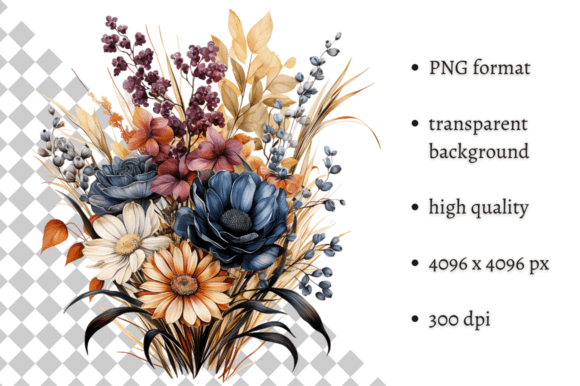
Another defining characteristic is the mix of cultivated blooms with foraged or garden-style flowers. Dahlias, garden roses, scabiosa, cosmos, and ranunculus appear frequently alongside wilder elements like fern fronds, feverfew, and Queen Anne’s lace. The purpose is not to impress with rarity but to create a sense of abundance and ease. From a practical standpoint, this makes sourcing more manageable. Local seasonal flowers often fit seamlessly into a boho palette, reducing dependency on imported blooms and lowering costs.
Color palettes in boho design tend to be warm and earthy. Terracotta, rust, dusty rose, champagne, sage green, and deep plum are common. Whites are rarely pure white; they lean toward cream or ivory. These tones photograph well across different lighting conditions and coordinate naturally with neutral bridal attire and textured fabrics like linen, velvet, and macrame.
Usability and Real-World Performance
One of the strongest practical advantages of boho wedding flowers is their durability under real-world conditions. Tight, formal bouquets require precise construction and can wilt visibly if a stem shifts. Looser arrangements, by contrast, tolerate movement. A cascade bouquet that has a few stems slightly out of place still looks intentional. This forgiving nature matters during a long wedding day when bouquets are passed between hands, set down, and photographed repeatedly.
For wedding professionals and DIY couples alike, the assembly process is more forgiving. You can adjust a boho arrangement by adding or removing stems without the whole piece looking compromised. This makes it accessible for those who want to create their own florals without extensive training. Small business owners in the wedding industry also appreciate that boho designs often use fewer high-cost focal flowers, relying instead on texture and volume from greenery and filler blooms.
In terms of consistency, boho arrangements perform well across different venues. A rustic barn, a garden estate, a beachside cliff, or a city loft all complement the natural, unstructured look. The flowers do not compete with the architecture; they enhance whatever environment they occupy. This reliability reduces the risk of a design mismatch on the day.
Flexibility for Different Wedding Moments
Boho Wedding Day Flowers adapt naturally to various roles throughout the event. A single large arrangement can serve as both the ceremony backdrop and the head table centerpiece if moved strategically. Bridal bouquets often double as decor for the sweetheart table after the first dance. This multipurpose use is not an afterthought; it is built into the design philosophy. For planners and coordinators, this reduces the total volume of flowers needed without sacrificing visual impact.
The flexibility extends to bridal party sizes as well. Because the style relies on texture and shape rather than uniform repetition, it handles uneven numbers of attendants gracefully. A maid of honor and a best man can have distinct but cohesive bouquets and boutonnieres. Flower crowns, hair vines, and flower jewelry integrate naturally into the boho aesthetic without feeling costume-like.
Quality Considerations and Long-Term Value
When evaluating the quality of boho wedding flowers, the primary factor is stem condition and sourcing. Because arrangements are less structured, any wilting or browning becomes more noticeable. Fresh, properly conditioned flowers are essential. Greenery should be clean and pest-free, and dried elements should be treated to prevent shedding. Reputable florists who specialize in this style typically condition stems overnight and build arrangements as close to the event time as possible.
Long-term value shows up in the photography. Boho arrangements photograph with depth and dimension. The varied heights, trailing vines, and mixed textures create visual interest in both wide shots and close-ups. Couples often report that their floral investment reads strongly in the final album, which matters for vendors building portfolios and for couples looking back on their day. Dried elements also last well beyond the wedding, serving as keepsakes or decor for the home.
One limitation worth noting is that boho arrangements can require more setup time on-site because they need to be fluffed and adjusted to achieve the right organic shape. Florists should be given adequate access and time before the ceremony. For venues with tight turnaround schedules, this is a logistical point to address during planning.
Who Benefits Most from This Floral Approach
Boho Wedding Day Flowers suit a broad range of users, but certain groups benefit disproportionately. First, couples who value personalization over tradition will find the style accommodating because it allows for meaningful inclusions like a grandmother’s favorite rose or dried herbs from a garden. Second, wedding planners who work across multiple venue types appreciate the style’s adaptability and the reduced risk of formality clashing with a venue’s character. Third, small business florists and floral designers can streamline their inventory by focusing on versatile, seasonally available stems rather than stocking exotic blooms that see limited use.
Content creators and bloggers covering wedding trends also gain from writing about this aesthetic because it generates strong visual engagement. The natural, unfussy look resonates with audiences tired of hyper-styled perfection. Educators teaching floral design can use boho arrangements as case studies in composition, texture balancing, and color theory without relying on expensive materials.
Practical Recommendations for Execution
If you are considering boho wedding flowers for a project or event, start by establishing a texture hierarchy. Choose one or two statement blooms, like garden roses or dahlia varieties, then build around them with at least three different greenery types. Include one trailing element, one filler like waxflower or chamomile, and one dried accent for longevity. Avoid overloading any single color; the goal is harmony rather than uniformity.
Work with a florist who understands that boho does not mean haphazard. The best boho arrangements are carefully engineered to look effortless. Ask to see examples of their loose work, not just their structured designs. If you are designing yourself, practice the spiral bouquet technique for hand-tied arrangements and invest in good floral tape and snips. Trial runs are worthwhile because the same stems can look dramatically different depending on how they are placed.
Consider the guest experience as well. Centerpieces should not obstruct sightlines, and bouquets should not shed excessively. Communicate with your florist about the venue’s wind conditions if the ceremony is outdoors. Trailing elements can catch gusts, so securing stems with fine wire may be necessary.
Looking at the Bigger Picture
Boho Wedding Day Flowers offer a practical, visually rewarding approach that aligns with contemporary values around sustainability, individuality, and natural beauty. They perform reliably across settings, adapt to various budgets, and create lasting impressions through photography and keepsakes. For professionals and couples alike, the style provides a framework that prioritizes authenticity over rigidity. By focusing on texture, color depth, and organic composition, boho florals deliver consistent results without demanding perfection in every stem. That balance of structure and freedom is what makes them a lasting choice rather than a passing trend.