You Are Enough: Redefining Your Inner Worth
At some point, most of us have stared at a blinking cursor, a blank notebook page, or a to-do list that never seems to shrink, and felt a quiet whisper of doubt. That voice says you need more credentials, more experience, more polish before you can share your work, pitch your idea, or call yourself a professional. The concept of You Are Enough pushes back against that whisper, offering a framework built on self-acceptance, realistic confidence, and sustainable productivity. It is not about settling or ignoring areas for growth—it is about recognizing that your current skills, perspective, and effort already hold genuine value.
What You Are Enough Really Means
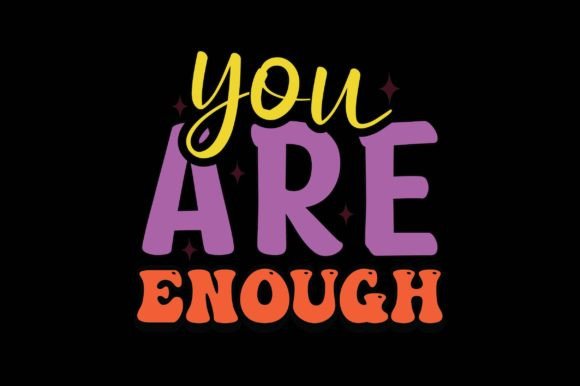
You Are Enough is not a passive affirmation you repeat in the mirror and hope sticks. It is an active mindset shift that challenges the perfectionism, comparison loops, and imposter syndrome that keep talented people stuck. At its core, this mindset acknowledges that worth is not contingent on external achievements, audience size, revenue numbers, or flawless execution. You bring a unique combination of experience, perspective, and effort that no one else can replicate. That combination is enough to start, to contribute, and to grow—without waiting until you feel fully ready.
This idea has gained traction across self-development circles, creative communities, and even workplace culture discussions because it addresses a universal friction point: the gap between where you are and where you think you should be. The You Are Enough framework offers a practical way to close that gap not by adding more pressure, but by recalibrating your baseline expectations.
Key Characteristics of the You Are Enough Mindset
- Permission to begin imperfectly: Instead of waiting for optimal conditions, you give yourself permission to launch, publish, or pitch with what you currently have. Progress matters more than polish at the start.
- Separation of identity from outcomes: Your worth as a person or professional does not rise and fall with a single project, rejection, or setback. The mindset encourages resilience by keeping your self-worth stable.
- Focus on contribution over comparison: Energy shifts from measuring yourself against others to asking what you can offer your audience, clients, or team with the tools you already possess.
- Embracing iterative growth: You Are Enough does not mean you stop improving. It means you accept your current version while actively developing the next one, without self-criticism as the primary motivator.
Why It Matters for Professionals and Creators
For anyone building a career, a business, or a body of work, the pressure to appear authoritative and polished is immense. Freelancers, bloggers, educators, marketers, and entrepreneurs often feel they must project certainty even when they are learning on the job. Holding the You Are Enough mindset allows you to operate from a place of grounded honesty rather than defensive posturing. Clients and audiences tend to respond better to genuine imperfections than to forced perfectionism. When you communicate from a place of enoughness, your brand voice becomes warmer, more relatable, and more trustworthy.
Consider a scenario common among early-stage consultants or coaches: you have deep expertise in one niche but feel unqualified because you lack a formal certification or a long client list. The You Are Enough approach encourages you to lead with the results you have achieved, the problems you have solved firsthand, and the understanding you have built through practice. That real-world experience often carries more weight than credentials, especially when paired with a willingness to continue learning.
Practical Applications Across Environments
In creative fields: Writers, designers, and artists frequently struggle with the blank page syndrome rooted in the fear that their work will not measure up. Adopting this mindset transforms the creative process from a test of worth into an act of exploration. A designer might release a portfolio piece that feels incomplete but showcases their unique style, attracting clients who resonate with that exact approach instead of waiting for universal approval.
In educational settings: Teachers and trainers who model the You Are Enough philosophy create a safer learning environment. When an instructor admits they do not have all the answers or shares a mistake they made while learning a new tool, students feel more comfortable asking questions and experimenting. This openness actually accelerates learning because it lowers the emotional stakes of being wrong.
In digital and commercial environments: Marketers and business owners can apply this mindset to content strategy and product launches. Instead of obsessing over the perfect landing page or the most polished video, you publish consistently and iterate based on real feedback. A software developer, for instance, might release a minimum viable product that solves a core problem well, knowing that version one does not need to be the final word. Users often appreciate early access and the transparency of a team that says, we are building this with you, not for you.
Benefits That Touch Usability, Communication, and Productivity
When you internalize that You Are Enough, several practical benefits emerge. First, decision-making speeds up because you stop overanalyzing every choice. A blogger who once rewrote headlines ten times might now settle on a strong option and move to publishing. The saved time compounds into more output and less mental fatigue.
Second, communication improves. Whether you are writing an email, recording a podcast, or leading a team meeting, the pressure to sound like an expert who never errs fades. You speak more naturally, ask better questions, and invite collaboration. Clients and colleagues pick up on that authenticity and respond with greater trust and openness.
Third, productivity becomes sustainable. Perfectionism is a leading cause of burnout. By adopting a mindset that values progress and learning, you maintain energy over the long term. Entrepreneurs running small businesses often report that the shift from I need to do everything perfectly to I am enough to solve this problem today reduces procrastination and increases their capacity to handle multiple responsibilities.
Realistic Observations and Recommendations
It would be disingenuous to suggest that adopting You Are Enough instantly eliminates self-doubt or that it works the same for everyone. Some industries have high stakes where mistakes carry significant consequences—healthcare, finance, law. In those fields, enoughness applies more to your overall capability and judgment than to a lack of rigorous preparation. The mindset is not a substitute for competence; it is a foundation from which competence can grow without constant self-flagellation.
For those new to this idea, a practical starting point is to audit your internal dialogue for one week. Notice how often you tell yourself that you are not ready, not skilled enough, or not credible. Each time, ask one question: Based on what I know and have done so far, what can I realistically contribute right now? The answer is almost always something meaningful. That small reframe is the first practical step toward living the You Are Enough philosophy.
What to Consider Before Embracing This Fully
Context matters. In environments that demand high precision—like regulatory compliance or technical documentation—the idea of enough should be applied to your overall approach and confidence, not to the rigor of your work. You can believe you are enough as a professional while still double-checking calculations and following protocols. The two are not in conflict.
It also helps to distinguish between enoughness and complacency. The goal is not to stop growing or to ignore feedback. The goal is to pursue growth from a place of self-acceptance rather than self-rejection. When you operate from a belief that you are enough, constructive criticism becomes useful data instead of a personal indictment. That shift alone can transform how you collaborate with editors, managers, clients, and peers.
Bringing It All Together
The message that You Are Enough resonates across age groups and professions because it addresses a nearly universal experience: the feeling of being an impostor in your own life. Whether you are launching a side project, leading a team, teaching a class, or building a brand, the tendency to discount your own readiness is familiar. Replacing that tendency with a grounded sense of sufficiency does not require years of therapy or a radical personality overhaul. It requires noticing when self-doubt is driving your decisions and choosing to act anyway, based on what you already have to offer.
Your current expertise, your unique perspective, and your willingness to engage honestly with your work are genuine assets. They may not be the final version of your skills or your output, but they are enough to take the next step. And taking that step is how growth actually happens—not in the waiting, but in the doing.