Torn Paper Collage Background for Creative Projects
If you have ever flipped through a handmade scrapbook, admired a mixed-media artwork, or designed a digital mood board with layered textures, you have likely encountered a torn paper collage background without realizing it. This technique involves using ripped, frayed, or hand-torn pieces of paper to build a textured backdrop for other visual elements. Instead of clean, machine-cut edges, torn paper brings an organic, imperfect quality that feels both deliberate and spontaneous.
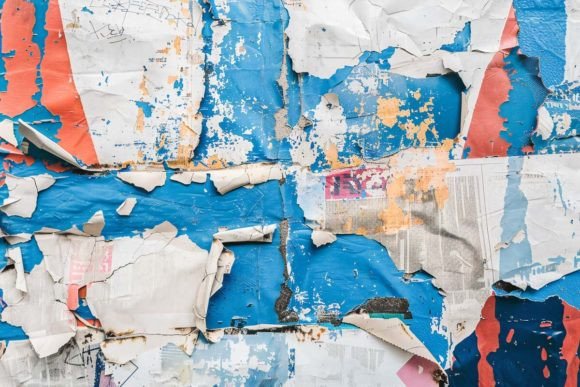
At its core, a torn paper collage background is exactly what it sounds like: a base layer composed of paper fragments arranged to create depth, contrast, and visual interest. The paper might come from magazines, book pages, handmade sheets, newspapers, or even recycled packaging. What matters is the torn edge, which adds a tactile sense of roughness and authenticity that straight lines cannot replicate.
Why Torn Paper Collage Background Appeals to Creators and Professionals
The appeal of this technique lies in its ability to bridge the handmade and the polished. For beginners, it offers a forgiving entry point into collage work. There is no need for precision cutting tools or steady hands. If a piece does not fit, you tear another one. If the color feels off, you layer something over it. The process invites experimentation without fear of failure.
For experienced designers and artists, torn paper collage background provides a way to break free from digital perfection. Even in a graphic design project created entirely on a screen, simulating torn paper textures can introduce warmth, nostalgia, and a human touch that sterile vectors often lack. This is why you see torn paper effects in branding for artisan coffee shops, children's book illustrations, and eco-friendly product packaging.
Professionals in marketing and content creation also value this style because it helps a brand stand out in a crowded visual landscape. When every competitor uses slick, high-gloss imagery, a torn paper collage background signals something different: handcrafted care, sustainability, or a story rooted in real materials.
What Makes a Torn Paper Collage Background Work
A well-crafted torn paper collage background is not random chaos. It relies on a few key characteristics that give it structure and purpose.
Texture is the most obvious feature. The uneven edges catch light and create shadows, adding a dimensional quality that flat surfaces lack. Even when photographed or scanned, the texture translates into a sense of depth that draws the viewer in.
Layering is equally important. By overlapping torn pieces, you build a composition that feels rich and complex. One layer might be a muted book page, while another brings a pop of color from a magazine spread. The gaps between layers reveal glimpses of what lies beneath, encouraging the eye to explore.
Color harmony keeps the collage from feeling chaotic. While the torn edges introduce informality, a thoughtful color palette brings cohesion. You might choose analogous colors for a calm, subtle background or complementary colors for energy and contrast.
Finally, intentional imperfection gives the background its signature charm. A perfectly uniform collage would defeat the purpose. The beauty is in the asymmetry, the stray fibers, and the occasional uneven strip that breaks the pattern.
Common Uses for Torn Paper Collage Background
This technique shows up in more places than you might expect. Here are some realistic ways people use torn paper collage background in their work and daily life.
Digital Design and Social Media
Graphic designers often incorporate scanned or photographed torn paper textures into digital layouts. A torn paper collage background can serve as the foundation for a quote graphic, an Instagram story template, or a blog post featured image. It adds a tactile quality that feels refreshing among the usual gradients and solid fills. Many design apps now include filters and brushes that mimic torn paper edges, making it accessible even for those who do not work with physical materials.
Branding and Packaging
Small business owners and entrepreneurs use torn paper aesthetics to communicate values like authenticity, sustainability, and handmade care. A logo placed on a torn paper background suggests something organic and personal. Packaging for artisanal goods, handmade soaps, or small-batch foods often features this look to distinguish itself from mass-produced competitors.
Education and Classroom Projects
Educators find torn paper collage background especially useful for art lessons and interactive assignments. It requires minimal supplies, engages students who might be intimidated by drawing, and teaches composition principles in a hands-on way. Teachers can guide students to create backgrounds that serve as settings for storytelling, historical timelines, or science diagrams.
Scrapbooking and Memory Keeping
For hobbyists who enjoy scrapbooking or journaling, torn paper collage background is a natural fit. It allows for personal expression without needing expensive supplies. A few torn pieces from a favorite old book or a colorful catalog can transform a plain page into a meaningful backdrop for photos and handwritten notes.
Product Photography and Mockups
Freelancers and content creators often style product photos with torn paper collage backgrounds to achieve a lifestyle aesthetic. A handcrafted necklace photographed against a layered paper backdrop looks more artisanal than one shot on a plain white surface. Similarly, digital mockups for stationery or prints gain character when presented on a textured collage base.
Getting Started with Torn Paper Collage Background
If you are new to this technique, you do not need a studio full of supplies. Start with what you already have: old magazines, junk mail, wrapping paper, or even paper bags. Tear a few pieces in different directions and arrange them on a flat surface. Pay attention to how the torn edges interact and where the colors sit in relation to each other.
A simple way to practice is to create a background for a single focal element, such as a pressed flower or a handwritten word. Let the torn paper support that element without overwhelming it. Over time, you will develop a feel for balance and contrast.
For those working digitally, consider photographing your physical collages and importing them into design software. You can also explore digital brushes that replicate torn paper textures. Some creators scan multiple paper textures and build a library they reuse across projects, adjusting opacity and scaling to fit different layouts.
Important Considerations Before Choosing Torn Paper Collage Background
While torn paper collage background is versatile, it is not always the right choice. Consider a few things before committing to this style.
Readability matters. If you place text over a busy torn paper background, it may become hard to read. Dark or high-contrast paper pieces directly behind text can obscure letterforms. To avoid this, place text on a solid block of color or on a more neutral area of the collage. Alternatively, use a semi-transparent overlay behind the text to maintain the paper texture without sacrificing legibility.
Resolution for digital use. If you scan a physical torn paper collage for digital use, scan at a high resolution to capture texture details. Low-resolution scans can look flat and muddy, losing the very qualities that make the technique appealing. For large prints, you want enough detail so the torn edges remain crisp.
Consistency across a brand. If you are using torn paper collage background as part of a brand identity, consider how it will translate across different mediums. It may look beautiful on a website header but challenging to reproduce consistently on business cards or merchandise. Plan for variations or create a digital version that can be adapted easily.
Physical limitations. For those working with physical materials, paper choice affects durability. Thin magazine pages tear easily but can wrinkle or fade over time. Heavier-weight paper or cardstock holds up better but may be harder to tear cleanly. Consider the lifespan of your project and choose paper accordingly.
Audience perception. While many people respond positively to the handmade feel of torn paper, others may associate it with a lack of professionalism. Gauge your audience and context. A torn paper collage background might be perfect for a creative workshop flyer but less suitable for a corporate financial report.
Practical Observations from Real Use
Over time, those who work regularly with torn paper collage background notice a few patterns. First, less is often more. A dense, overly layered collage can become visually noisy, making it hard for any single element to stand out. Leaving some negative space gives the eye a place to rest and helps the torn edges read clearly.
Second, tearing technique matters more than you might expect. Tearing toward you versus away from you produces different edge qualities. Tearing slowly creates more fiber and a softer edge, while a quick tear results in a cleaner, sharper line. Experimenting with both gives you more control over the final look.
Third, combining torn paper with other textures adds even more depth. You might blend it with fabric scraps, thread, or dried leaves for a mixed-media approach. In digital projects, layering torn paper textures over subtle grain or noise can mimic the richness of physical materials.
Finally, torn paper collage background invites play. Unlike digital tools that offer undo buttons and precise controls, this method asks you to embrace spontaneity. The best results often come from happy accidents, a piece that tore differently than expected or a color combination that surprised you.
Making It Your Own
Whether you are a blogger looking for distinctive visuals, a teacher planning an engaging lesson, or a designer seeking texture without sterility, torn paper collage background offers a flexible and rewarding approach. It does not demand expensive tools or advanced skills. It asks only for paper, intention, and a willingness to let imperfection lead the way.
Start small. Tear a few pieces. Arrange them until something clicks. The background you build might just become the most memorable part of your next project.