The Enduring Appeal of the Funny Skeleton in Art, Design, and Everyday Life
The skeleton is one of the most enduring symbols in human culture. For centuries, it represented mortality, fear, and the inevitable end. Yet, in the last hundred years, a remarkable transformation has taken place. The skeletal figure has shed much of its dread and adopted a playful, humorous persona. This shift is captured perfectly in the concept of the funny skeleton—a motif that balances the macabre with the lighthearted, turning a symbol of death into a source of laughter, education, and creative expression. Understanding how this transformation occurred, and why it resonates so deeply, reveals a great deal about our relationship with fear, humor, and the human body.
A funny skeleton is not merely a drawing of bones with a smile. It is a carefully crafted figure that uses exaggeration, posture, and context to evoke amusement rather than anxiety. The skull, traditionally a grim reminder of our fragility, becomes a canvas for goofy grins, oversized eyes, or a tilted head that suggests confusion or mischief. The ribcage might be thrust forward in a confident pose, or the bony fingers might be arranged in a playful wave. These small adjustments transform an object of fear into a character we can laugh with, not at.
Why Humor and Bones Work So Well Together
The psychological foundation of the funny skeleton lies in the concept of incongruity theory. This theory suggests that humor arises when two contradictory ideas are presented simultaneously. A skeleton is inherently associated with death and seriousness. Pairing it with a silly hat, a comical posture, or a cheerful expression creates a cognitive dissonance that our brains resolve through laughter. The skeleton becomes a safe vessel for confronting a deeply uncomfortable truth—our own mortality—by cloaking it in absurdity.
This mechanism is not new. Medieval traditions like the Danse Macabre depicted skeletons dancing with the living, but those images carried a moral weight and a warning. The modern funny skeleton, by contrast, strips away the sermon and leaves only the playful irony. It allows us to say, “Yes, I know I will die someday, but right now I can laugh about it.” This is a powerful psychological tool, and it explains why the motif appears in so many contexts, from children’s cartoons to high-end fashion.
Consider the classic Halloween decoration: a skeleton figure with a goofy grin and a sign that says “Boo!”. This is a perfect example of how humor disarms fear. A child who might be terrified of a realistic skeleton model will laugh at a plush version with oversized eyes and a wobbly head. The funny skeleton becomes a transitional object, helping people of all ages engage with the concept of death without the accompanying dread.
The Anatomy of a Funny Skeleton: Design Elements That Work
Creating an effective funny skeleton requires a deliberate departure from anatomical accuracy. A realistic skeleton is symmetrical, rigid, and static. A humorous one is asymmetrical, exaggerated, and dynamic. Here are the key design characteristics that make a skeleton funny rather than frightening:
- Oversized facial features: Enlarged eye sockets, a wide grin, or exaggerated cheekbones make the skull appear expressive rather than empty. These features mimic the exaggerated expressions found in cartoons and anime.
- Dynamic posture: A skeleton that slouches, leans backward in laughter, or dances with loose limbs feels alive and approachable. Stiff, upright postures are associated with fear and rigor mortis, while relaxed poses suggest a character we can relate to.
- Contextual props: Adding a hat, glasses, a coffee cup, or even a musical instrument immediately shifts the skeleton from a symbol of death to a character in a story. The prop tells us the skeleton is engaged in everyday activities, which is inherently humorous.
- Color and texture: Bright colors, soft edges, and matte finishes make a skeleton feel friendly. A stark white, high-contrast skeleton with sharp edges triggers a primal fear response, while a pastel version with rounded bones feels playful.
Designers and illustrators who work with this motif understand that the line between funny and creepy is thin. A funny skeleton must maintain enough skeletal cues to be recognizable, but it must soften or exaggerate those cues to avoid triggering the unease associated with real bones. This balancing act is what makes the genre so interesting for artists and educators alike.
Use Cases Across Industries and Audiences
The versatility of the funny skeleton is remarkable. It appears across a wide range of fields, each leveraging its unique combination of humor and anatomy for different purposes. Below are some of the most prominent use cases, along with observations on how the motif is tailored to each audience.
Education and Science Communication
Medical educators and science communicators have long used humorous skeleton illustrations to teach anatomy without inducing fear. A textbook diagram of the skeletal system can be dry and intimidating. Adding a funny skeleton character—winking, holding a sign, or striking a pose—makes the information more memorable and approachable. This technique is especially effective for younger students. For example, a funny skeleton labeled with bone names might be shown juggling its own femur, helping learners associate the bone’s name with its shape and function in a playful context. The humor reduces cognitive load and increases retention, a principle supported by research in educational psychology.
Children’s Media and Entertainment
From animated movies to picture books, the funny skeleton is a staple character. It allows children to explore themes of life and death in a safe, non-threatening way. Characters like the grinning skeleton in Coco or the bumbling skeletal sidekicks in various Halloween specials use humor to demystify the afterlife. In these contexts, the skeleton is often paired with bright colors, gentle voices, and silly antics. The message is clear: bones are nothing to fear. This early exposure often shapes a lifelong comfort with skeletal imagery, which is why many adults find humorous skeletons charming rather than chilling.
Holiday and Event Decor
Halloween is the most obvious home for the funny skeleton, but its reach extends to Day of the Dead celebrations, costume parties, and even year-round decor in some subcultures. Decor manufacturers have realized that a humorous skeleton sells better than a terrifying one for most consumers. A skeleton that appears to be laughing, dancing, or playing a banjo is more likely to be displayed in a living room or office than one that looms menacingly. This trend has given rise to a whole industry of poseable, expression-driven skeleton figures that range from tasteful to outright absurd.
Fashion and Personal Expression
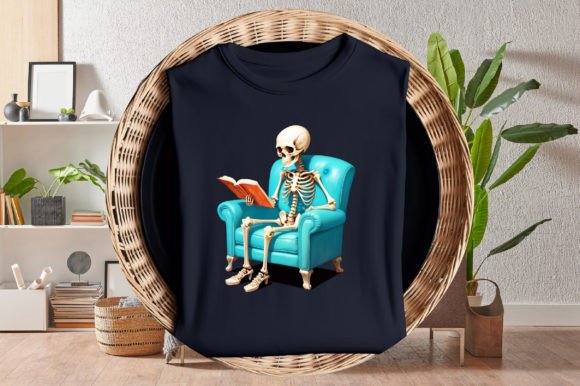
Clothing and accessories featuring a funny skeleton have become a niche but lasting trend. T-shirts, hats, and pins depicting skeletons in humorous situations allow wearers to signal a certain irreverent attitude toward mortality. This is particularly popular in goth, punk, and alternative fashion scenes, where the juxtaposition of dark themes with humor creates a distinctive identity. A funny skeleton printed on a bag or jacket says, “I am aware of life’s fragility, but I choose to smile anyway.” It is a form of personal branding that resonates with those who appreciate dark humor as a coping mechanism.
Digital Media and Memes
In the age of the internet, the funny skeleton has found a new home in meme culture. Skeleton characters are used to express a wide range of emotions, from exhaustion (“Bone tired”) to existential dread (“I’m just a skeleton waiting for the rest of me to catch up”). These memes often rely on the skeleton’s deadpan expression or exaggerated pose to convey feelings that words alone cannot. The versatility of the skeleton as a blank, expressive canvas makes it a favorite among meme creators. A simple drawing of a skeleton with a cup of coffee and dark circles under its eye sockets can communicate burnout more effectively than a photograph of a real person.
Practical Considerations for Creators and Businesses
For creators—whether illustrators, product designers, or content marketers—working with a funny skeleton motif requires careful thought. The goal is to evoke humor without crossing into disrespect or ghoulishness. Here are some considerations to keep in mind:
- Know your audience’s comfort level. What is funny to one person may be offensive to another. A skeleton cracking jokes about death might be welcomed in a community that embraces dark humor, but it could alienate a more sensitive audience. Testing imagery with a small focus group or analyzing engagement metrics on similar content can help gauge the right tone.
- Context matters as much as design. A funny skeleton in a Halloween email campaign is expected. The same skeleton used in a healthcare brochure about osteoporosis might confuse or offend. Always align the tone of the skeleton with the broader message of your content or product.
- Balance humor with respect. Even when using a funny skeleton, it is wise to avoid mocking death itself. Instead, the humor should come from the skeleton’s personality and situation, not from the fact that it represents a deceased creature. This subtle distinction keeps the motif light without feeling mean-spirited.
- Leverage cultural archetypes. The funny skeleton exists in many cultures—from the calaveras of Mexico to the grinning skulls of Japanese obake traditions. Understanding these cultural roots can enrich your design and help it resonate with a global audience. A skeleton dressed as a mariachi player, for instance, taps into a rich tradition of celebrating life through death imagery.
Observations on Trends and the Future of the Funny Skeleton
As we look at the trajectory of the funny skeleton in popular culture, several trends emerge. First, the motif is becoming more inclusive and diverse. Skeletons are now depicted in a wider range of body types, poses, and activities, reflecting a broader understanding of what it means to be human—even in bone form. Second, digital tools have made it easier for independent creators to produce and sell funny skeleton art, leading to a flourishing of niche styles and interpretations.
Another noteworthy trend is the use of the funny skeleton as a mascot for brands and communities. From music festivals to online forums, a recognizable skeleton character can become a unifying symbol for a group that shares a particular worldview. The skeleton’s neutrality—it has no skin color, gender, or age—makes it an ideal emblem for communities built around shared interests rather than demographics.
From a psychological perspective, the growing popularity of the funny skeleton may reflect a broader cultural shift toward confronting difficult topics with humor. In an era of uncertainty, the ability to laugh at the inevitable is a form of resilience. The skeleton, once a grim omen, has become a companion in our journey toward acceptance. It reminds us that life is fleeting, but that does not mean we cannot smile along the way.
For researchers and hobbyists interested in the intersection of humor and anatomy, the funny skeleton offers a rich field of study. It sits at the crossroads of art, psychology, medicine, and anthropology. Analyzing how different cultures and time periods have depicted humorous skeletons can reveal deep insights into how societies process fear, death, and the human condition. The simple act of drawing a bone with a grin is, in many ways, a profound philosophical statement.
Ultimately, the funny skeleton is more than a novelty. It is a testament to the human ability to find light in darkness, to transform fear into laughter, and to create meaning from the most basic elements of our biology. Whether you are a designer sketching a new character, a teacher explaining the skull’s structure, or a consumer looking for a unique piece of decor, the funny skeleton has something to offer. It invites us to look at our own mortality and, for just a moment, to laugh.