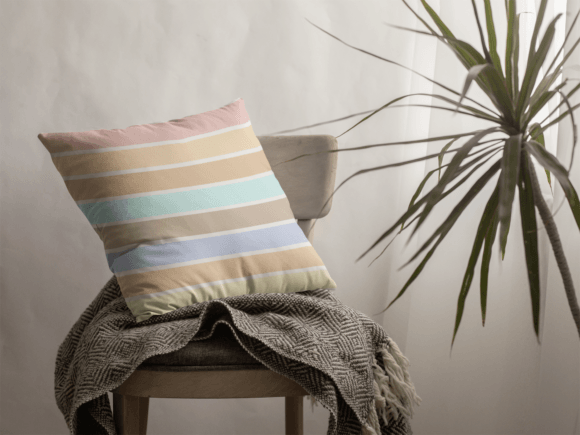
Soft Light Colorful Horizontals Guide
Have you ever paused to watch a sunrise paint horizontal bands of pink, gold, and lavender across the sky? That moment—where soft light transitions through delicate colors along a flat axis—is more than just a natural phenomenon. It has become a defining aesthetic in modern visual media. Known conceptually as Soft Light Colorful Horizontals, this technique evokes calm, space, and polished refinement. Whether you encounter it in a cinematic widescreen shot, a minimalist website header, or a carefully edited photograph, it serves a different purpose for everyone. For a freelance designer, it is a quick path to a professional look. For a business owner, it is a tool for brand trust. For a hobbyist, it is a way to bring beauty into a personal space. This guide breaks down what it is, why it works, and how you can use it effectively based on your specific goals.
Understanding the Core Concept
Soft Light Colorful Horizontals combines three distinct elements: horizontality, soft light, and deliberate color. Horizontality refers to strong horizontal lines or bands that anchor a composition—a horizon line, a panoramic crop, or a blocked color section in a layout. Soft light implies diffusion, low contrast between highlights and shadows, and a lack of harsh specular highlights. Colorful can range from vibrant pastels to rich analogous hues, but these colors are typically blended smoothly using gradients or atmospheric perspective.
Together, these elements create a look that feels both organic and designed. It mimics the natural world—dawn, dusk, fog over a landscape—while fitting perfectly into digital frameworks like widescreen monitors and mobile scrolling layouts. Understanding this dual nature is key to applying it meaningfully across different fields.
Why It Matters for Visual Creators
For photographers, videographers, and graphic designers, this aesthetic is both a goal and a tool. The priority often shifts between quality, flexibility, and speed depending on the project.
Photography and Cinematography
In photography, Soft Light Colorful Horizontals is often the goal of golden hour and blue hour shoots. Beginners may rely on presets in Lightroom Mobile or LUTs for video to achieve this look quickly. It allows them to transform a flat image into something evocative without deep technical knowledge. Professionals, however, understand the physics. They use graduated neutral density filters to balance bright skies with darker foregrounds, or expose for highlights in-camera to preserve soft color bands. A real estate videographer might use this technique in exterior shots to make a property feel inviting. A wedding photographer uses soft sunset light to create horizontal flares and pastel color blocks, conveying romance.
Practical example: If you shoot landscapes, compose so the horizon sits on the lower third. Use a soft brush or gradient filter in post-production to enhance the color transition across the sky, keeping the light subdued.
Graphic and UI/UX Design
In digital design, this aesthetic is a workhorse. Horizontal gradients are inherently stable—we read left-to-right and top-to-bottom. Soft light prevents eye strain, while colorfulness conveys brand personality without aggressive contrast. A freelancer can quickly generate custom hero images using CSS gradients or tools like Canva, bypassing the need for expensive stock photography. A marketer running A/B tests may find that landing pages with soft, colorful horizontal backgrounds convert better than stark white pages, because they guide the eye naturally toward the call-to-action placed on the horizon line.
Practical example: For a SaaS website, try a soft blue-to-purple horizontal gradient in the hero section. Place the product mockup at the intersection of the two colors. This setup visually communicates innovation and reliability.
Strategic Value for Business Owners and Marketers
Entrepreneurs, small business owners, and publishers focus on brand perception and commercial value. You need your brand to look established and approachable without breaking the budget. Soft Light Colorful Horizontals allows for a high-quality look with a low barrier to entry. Using a consistent horizontal color palette across social media templates, email headers, and pitch decks builds recognition. It signals attention to detail and an understanding of modern design language.
Practical example: A small bakery owner creates a series of Instagram posts using a consistent horizontal color palette—soft peach transitioning to cream. The products are placed in the lower solid section. The consistent look builds brand recognition and a calming, high-quality feel that justifies a premium price. No expensive photoshoot required, just a template and careful color choices.
For publishers and bloggers, this aesthetic improves readability and dwell time. A blog header using a soft horizontal gradient can separate the title from the content without distracting. It adds visual interest without the cognitive load of complex imagery, which encourages visitors to stay and read.
Practical Applications for Educators, Hobbyists, and Enthusiasts
If you are not a professional creator, you may still find deep value in this aesthetic. The priorities shift from commercial use to clarity, accessibility, and personal enjoyment.
Educators and Trainers
For educators, clarity is paramount. Horizontal color blocks can structure information visually. A slide deck using a soft gradient at the top clearly separates the header from the body content. It adds interest while remaining predictable and easy to process. Unlike busy patterns, horizontal gradients are gentle on the eyes, which benefits neurodiverse learners. Using a consistent color code across modules—blue for theory, green for practice—helps students navigate materials intuitively.
Consumers and Hobbyists
For personal use, the value is atmosphere and creativity. The trend of color drenching a room with horizontal stripes or using sunset projection lamps directly applies this aesthetic at home. A hobbyist can use a free app like Snapseed or Lightroom to edit travel photos with soft light presets, transforming an ordinary snapshot into wall art. Digital art collectors often favor this style because it looks exceptional on widescreen monitors and OLED phones, where soft gradients showcase screen quality.
Practical example: Use a free gradient generator to create a desktop wallpaper that matches your room’s color scheme. Choose two analogous colors, set the direction to horizontal, and adjust the softness until the transition feels smooth. It takes two minutes and costs nothing, but it changes the entire feel of your digital workspace.
Choosing the Right Tools for Your Skill Level
How you approach Soft Light Colorful Horizontals depends on your current skill level and project demands. Here is a simple breakdown:
- Beginners should start with preset tools. Canva has built-in gradient templates. Lightroom Mobile offers presets for landscape and portrait editing. CapCut provides video filters that mimic soft horizontal light. These tools remove guesswork and let you focus on composition.
- Intermediate users can move to manual adjustment. In Photoshop, experiment with Gradient Maps and Layer Masks. In Lightroom Classic, use the Graduated Filter tool to simulate light bands across an image. In CSS, use gradient generators to fine-tune color stops and angles.
- Advanced creators working in professional contexts should explore Capture One for high-end photography tethering and color grading, or DaVinci Resolve for cinematic video color correction. Here, the focus is on color space accuracy and maintaining detail across the dynamic range.
No matter your level, always test your output on different screens. A soft gradient that looks perfect on a calibrated monitor may appear muddy on a standard laptop screen or oversaturated on a mobile device.
Making It Work for Your Specific Goals
Before applying this aesthetic to your next project, ask yourself these questions:
- What is the primary goal? If you want to convey calm and stability, choose muted, analogous colors with a very soft transition. If you want to attract attention to a specific element, place it at the intersection of two stronger horizontal bands.
- Who is the audience? Corporate clients may prefer subtle, muted tones like slate blue to warm gray. Consumer products can handle bolder pastels like coral to lavender. A young audience may appreciate high saturation, while an older demographic may prefer restful contrasts.
- What is the delivery medium? A cinematic video requires different color space handling than a social media post. A printed brochure needs CMYK compatibility, while a website uses RGB. Always tailor the color model and resolution to the final output.
Soft Light Colorful Horizontals is not a one-size-fits-all prescription. It is a flexible framework. A landscape photographer uses it to sell a print. A startup founder uses it to close a pitch. A hobbyist uses it to decorate a room. The technique adapts to the user’s objective, providing both immediate results and long-term creative growth. By understanding what it is and why different people care about it, you can make informed decisions that align with your own skill level, needs, and project type.