Abstract Texture as a Design Resource: Practical Value and Real-World Application
In visual communication, texture adds depth, mood, and tactile presence. Abstract texture, specifically, refers to non-representational surface qualities that evoke feeling and atmosphere without depicting a recognizable subject. For professionals working in digital design, branding, content creation, and marketing, abstract textures have become a quietly indispensable asset. They provide visual richness, signal sophistication, and help projects stand apart from the generic, flat visuals that saturate much of today's media.
Unlike realistic textures that mimic wood, stone, or fabric, abstract textures derive from patterns, gradients, noise, organic forms, or algorithmic generation. They do not imitate. They suggest. This distinction gives them a unique versatility and a longer creative lifespan. When you invest in a library of high-quality abstract textures, you are not acquiring a set of imitations. You are acquiring a palette of visual materials that can be adapted across countless projects without feeling repetitive or dated.
Defining Abstract Texture and Its Core Characteristics
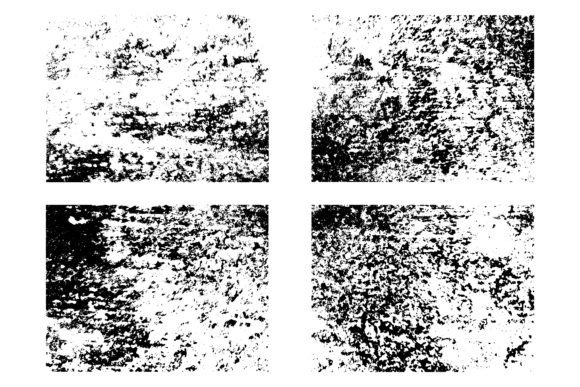
At its simplest, abstract texture is the visual quality of a surface that does not represent a specific object or scene. It is texture for the sake of texture. In practice, this includes elements such as grainy overlays, fluid organic shapes, chaotic line work, digital noise, geometric fragments, splatter effects, and layered translucencies. The best abstract textures possess a few consistent traits.
- Non-representational form. They do not depict anything identifiable. This frees them from context and allows them to work across many different visual styles.
- Rich surface detail. They offer enough visual complexity to catch the eye and hold attention, even when used as backgrounds or subtle overlays.
- Atmospheric quality. They communicate tone, mood, or energy. A rough, chaotic texture feels aggressive or urgent. A smooth, flowing texture feels calm or elegant.
- Repeatability and scalability. Well-made abstract textures tile seamlessly and hold their quality across different sizes and resolutions.
These characteristics make abstract texture fundamentally different from stock photography or illustration. It is not a picture of something. It is a material you use to build something. This distinction matters for anyone who evaluates creative assets on their long-term utility rather than their immediate visual appeal.
What Makes Abstract Texture Worth Discussing
The reason abstract texture deserves close attention is that it solves a recurring problem in professional design: how to make visual work feel finished, layered, and distinctive without relying on heavy illustration or complex photography. Many projects need visual weight and depth but cannot support the time or budget required for original photography or elaborate custom graphics. Abstract textures fill that gap.
They are also remarkably durable. Trends in typography and color shift every few years. The visual preferences of audiences evolve. But the human response to surface quality and texture seems more stable. A well-chosen abstract texture can make a piece feel current without chasing a specific trend. It provides a timeless quality that saves you from needing to overhaul your visual assets every season.
For marketers and content creators, this translates directly to reduced production time and more consistent visual output. Instead of searching for the perfect photograph or commissioning a custom illustration, you can reach for an abstract texture that already fits your mood and adjust it to your color palette. The result often feels more cohesive and intentional than a collage of mismatched stock assets.
Practical Strengths and Real-World Performance
In practical use, abstract textures demonstrate several reliable strengths. First, they perform well across media. A texture that works as a full-screen background on a website will often translate cleanly to social media graphics, print collateral, or video overlays. This cross-format consistency is rare in visual assets. Many stock photographs lose impact when cropped or resized for different platforms. Abstract textures, by their nature, remain effective at any scale and in any orientation.
Second, they integrate easily with other design elements. Because abstract textures are non-representational, they rarely conflict with foreground imagery, typography, or branding marks. A grainy, atmospheric overlay can sit behind a headline without competing for attention. A fluid organic texture can fill negative space without distracting from a product photo. This integration quality makes abstract textures especially useful for professionals who need to produce high-volume content quickly without sacrificing polish.
Third, abstract textures support a wide range of color treatments. Many designers work with a limited brand palette. Realistic textures like wood or stone lock you into their own colors. Abstract textures, especially those designed as grayscale or neutral base layers, accept color overlays, gradients, and blending modes easily. You can recolor them to match your brand without losing the underlying surface detail. This flexibility reduces the number of unique assets you need to maintain.
Quality, Usability, and Flexibility Considerations
Not all abstract texture assets are created equal. Quality varies significantly depending on the source, resolution, and production method. Professionally scanned or generated textures at 300 DPI or higher hold up for both print and screen use. Low-resolution textures, especially those sourced from free aggregators, often introduce artifacts, banding, or inconsistent grain that become painfully obvious at larger sizes.
Usability depends on file format and organization. The most useful abstract texture libraries provide multiple file types, including layered PSD or TIFF files, high-quality JPEGs, and transparent PNGs. Textures designed as overlays should include alpha channels or be provided on transparent backgrounds. Proper naming, categorization, and keyword tagging also matter. A library that organizes textures by mood, density, color, and pattern type saves hours of browsing time.
Flexibility, as noted, is perhaps the most critical factor. A strong abstract texture can be rotated, mirrored, tiled, scoured, and recolored without breaking. It should not rely on a single orientation or placement. When evaluating a texture library, test a few samples by applying them to different layouts. If the texture works in a dark mode header, a light mode background, and a video overlay, it will likely serve you well over time.
Who Benefits Most from Abstract Texture
Abstract texture serves different user groups in different ways. Understanding your own needs helps you select assets that fit your workflow.
Brand and graphic designers use abstract textures to build brand identity systems that feel rich and dimensional. Textures appear on packaging, business cards, website backdrops, and presentation templates. For designers who work with multiple clients, a good texture library reduces the time spent creating surface detail from scratch for every project.
Digital marketers and content creators benefit from the speed and consistency abstract textures provide. Social media posts, email headers, ad banners, and landing pages all benefit from visual depth. Using a consistent set of textures across campaigns creates a recognizable visual language without requiring a full photoshoot or custom illustration budget.
Web and UI designers often need subtle texture to add warmth to digital interfaces. A faint noise overlay or organic grain can make a flat UI feel more tactile and inviting. For user experience, this small addition can reduce the cold, sterile feeling that many modern interfaces project. Abstract textures used at low opacity read as ambient rather than intrusive.
Educators and publishers rely on abstract textures for book covers, course materials, worksheets, and presentation decks. A strong texture gives educational materials a polished, professional appearance that builds trust with audiences. It signals that care was taken in the presentation of information.
Freelancers and small business owners often lack the support of a full creative team. Abstract textures give them access to professional-grade visual depth without requiring advanced illustration skills or expensive software. With a good texture library and basic familiarity with blending modes, they can produce work that looks as considered and polished as that from larger studios.
Limitations and Realistic Considerations
No asset category is without limitations, and abstract texture is no exception. The most common issue is overuse. When every project uses the same grain or noise overlay, the effect becomes a cliché rather than a differentiator. Relying on a single signature texture can make your work feel repetitive. It is better to build a varied library and rotate textures based on project mood and content.
Another limitation is that abstract textures, by themselves, cannot carry a weak concept. They are enhancing agents, not substitutes for strong composition, clear messaging, or solid typography. If the underlying design is cluttered or unfocused, adding texture only compounds the problem. Texture works best when applied with restraint and intention.
File management also becomes a practical challenge with large libraries. Without a consistent naming and tagging system, you will waste time searching for the right texture. Many professionals solve this by maintaining a small, curated selection of 30 to 50 textures that they know intimately rather than chasing large, poorly organized collections.
Finally, abstract textures require thoughtful pairing with other visual elements. A highly detailed, chaotic texture can overwhelm delicate typography or subtle imagery. Texture should serve the hierarchy of the layout, not compete with it. Testing textures at different opacities, sizes, and blend modes is essential before committing to a final application.
Practical Recommendations for Selection and Use
When building or buying an abstract texture library, prioritize quality over quantity. A set of 20 well-crafted, high-resolution textures will serve you better than 200 low-resolution ones. Look for textures created by established designers or studios with a clear aesthetic point of view. Many premium texture packs include detailed notes on best use cases, recommended blend modes, and color adjustment tips, which accelerate your learning curve.
Test textures in real projects before committing to a full library. Most respected vendors offer sample packs or individual downloads. Run a few textures through a typical project workflow. Evaluate how they behave at different sizes, how they respond to color overlays, and whether they tile seamlessly. Also consider how they look when printed, as screen previews can be deceptive.
Organize your texture library by mood, density, and recommended use case rather than by file name alone. A structure that lets you pull up "light grain, dark mode compatible" or "organic flow, high contrast" in seconds saves significant time during production. Tagging textures with relevant keywords also helps when you need to find a specific look later.
In use, start subtly. The most effective abstract textures often operate at the edge of perception. A light grain or faint organic wash adds depth without announcing itself. As you become more comfortable, you can push textures bolder, using them as primary visual elements in layouts where the texture itself carries the visual weight.
Long-Term Value and Final Observations
Abstract texture is not a short-term trend. It is a fundamental design resource that has been valuable for decades and will remain so. The reason is simple: texture addresses a basic human need for tactile reference in visual media. Even as digital interfaces grow more common, the desire for surfaces that feel rich, varied, and dimensional does not diminish. Abstract texture satisfies that need without tying you to a specific subject, era, or style.
For professionals who evaluate assets on long-term return, abstract textures rank highly. They store compactly, apply quickly, and adapt to a broad range of formats and media. They improve the perceived quality of your work without adding significant production cost. And when chosen carefully, they age well, remaining useful across multiple years and campaigns.
The key is to treat abstract texture as a material, not a decoration. Learn its behavior, respect its limitations, and apply it with purpose. When you do, it becomes one of the most reliable tools in your creative workflow, one that quietly elevates everything it touches.